 ultimate-guide
Reverse Hashimoto's Symptoms: A Functional Medicine Guide
Table of Contents
- What Is Hashimoto's Thyroiditis and Why Symptoms Persist
- The Difference Between Normal Labs and Symptomatic Hashimoto's
- Understanding Thyroid Antibodies and Autoimmune Activation
- Gut Health and Leaky Gut: The Foundation of Autoimmune Reversal
- Hashimoto's Diet Plan: Foods That Trigger and Heal
- Identifying and Addressing Nutritional Deficiencies
- Nervous System Regulation: Calming Inflammation at the Root
- Blood Sugar Balance and Insulin Resistance in Hashimoto's
- Managing Hashimoto's Flare-Up Triggers and Prevention
- Environmental Toxins and Their Role in Autoimmune Flares
- Mental Health and Cognitive Function in Thyroid Disease
- Personalized Testing Protocols Beyond Standard TSH
- Long-Term Maintenance: Sustaining Remission and Preventing Relapse
- Your Path to Reversing Hashimoto's Symptoms
Last Updated: August 9, 2026
What Is Hashimoto's Thyroiditis and Why Symptoms Persist
Hashimoto's thyroiditis is an autoimmune condition where your immune system attacks your thyroid gland, progressively reducing its ability to produce thyroid hormones. Most people assume that once they're on medication, typically levothyroxine, their symptoms should resolve. That assumption is where the confusion begins.
The reality is more complex. Your lab numbers might look normal while you're still exhausted, gaining weight, struggling with brain fog, and feeling nothing like yourself. This disconnect between "normal" test results and persistent symptoms is the defining problem that conventional approaches fail to address.
At Thyroid Authority, we've worked with thousands of patients experiencing this exact frustration. They've seen multiple endocrinologists who told them their thyroid labs are fine, that their symptoms must be something else, or that they simply need to accept fatigue as part of aging. What these practitioners miss is that Hashimoto's isn't just about hormone levels, it's about autoimmune activation, inflammation, and the cascade of metabolic dysfunction that follows.
Understanding why symptoms persist despite normal labs requires shifting your perspective from "Is my TSH in range?" to "Why is my immune system still attacking my thyroid?" When you address the root causes, gut permeability, nutritional deficiencies, blood sugar dysregulation, nervous system dysregulation, and environmental triggers, symptoms begin to resolve in ways that medication alone cannot achieve.
This guide walks you through the functional medicine approach to reversing Hashimoto's symptoms. We'll show you how to identify what's driving your autoimmune activation, which tests actually matter beyond standard TSH, and the specific lifestyle and nutritional strategies that have helped thousands reclaim their energy and clarity.
The Difference Between Normal Labs and Symptomatic Hashimoto's
Your TSH might be 2.5. Your free T4 might be in the "normal" range. Your endocrinologist might tell you everything looks fine. And you might still feel like you're moving through life in slow motion.
This gap between lab results and lived experience is not in your head. It's a fundamental limitation of how conventional medicine measures thyroid health. Standard testing captures only a fraction of what's actually happening in your body.
Most practitioners rely on TSH (thyroid-stimulating hormone) as the primary marker. TSH tells you almost nothing about whether your immune system is actively attacking your thyroid gland, whether your tissues are responding to thyroid hormone, or whether you have nutritional deficiencies that prevent proper hormone conversion.
The symptomatic Hashimoto's patient typically has:
- Elevated thyroid antibodies (TPO and thyroglobulin) indicating active autoimmune attack
- Normal or near-normal TSH, free T4, and free T3 (because they're on replacement hormone)
- Persistent inflammation throughout the body
- Nutritional deficiencies that prevent proper hormone metabolism
- Dysregulated blood sugar and insulin sensitivity
- Compromised gut barrier function
Standard labs miss almost all of this. A doctor checking only TSH is like checking your car's fuel gauge while ignoring the check engine light.
The functional medicine approach expands testing to include thyroid antibodies, complete thyroid hormone panels (including reverse T3), nutrient levels, inflammatory markers, and gut health indicators. This reveals the actual drivers of your symptoms rather than just confirming you're on the right hormone dose.
Understanding Thyroid Antibodies and Autoimmune Activation
Thyroid peroxidase (TPO) and thyroglobulin antibodies are the fingerprints of autoimmune attack on your thyroid gland. When these antibodies are elevated, your immune system is actively targeting thyroid tissue. This is the core pathology of Hashimoto's, not simply low hormone production, but immune system misdirection.
Many patients have normal TSH with highly elevated antibodies. This means their thyroid is still being attacked, but they're on enough replacement hormone to keep TSH in range. The autoimmune process continues unchecked. The inflammation persists. The symptoms linger.
Reducing thyroid antibodies is the actual goal of reversing Hashimoto's symptoms. When antibody levels decline, immune attack decreases, thyroid inflammation resolves, and the cascade of systemic symptoms begins to improve. This is measurable, trackable progress that goes far beyond "your TSH is fine."
Your immune system has been trained to recognize thyroid tissue as foreign. This misdirection typically begins with a trigger, often a combination of genetic predisposition, intestinal permeability (leaky gut), nutritional deficiency, infection, or environmental exposure. Once the attack begins, it becomes self-sustaining unless the underlying triggers are identified and addressed.
Conventional treatment stops at hormone replacement. Functional medicine asks: Why did the immune system start attacking the thyroid in the first place? What's perpetuating the attack? What needs to change for the immune system to recognize thyroid tissue as self again?
Testing thyroid antibodies at baseline, then rechecking every 3-6 months, gives you objective evidence of whether your interventions are working. Declining antibodies mean you're moving in the right direction. Stable or rising antibodies mean something in your protocol needs adjustment.
Gut Health and Leaky Gut: The Foundation of Autoimmune Reversal

The gut barrier is your immune system's first line of defense. When intestinal permeability increases, commonly called "leaky gut", undigested food particles, bacterial lipopolysaccharides (LPS), and other antigens cross the intestinal barrier and trigger systemic immune activation. This is one of the primary drivers of autoimmune flare-ups in Hashimoto's.
The connection between gut health and thyroid autoimmunity is so strong that many functional medicine practitioners consider gut healing foundational to any Hashimoto's reversal protocol. You cannot calm thyroid antibodies while your gut barrier remains compromised.
Leaky gut develops from chronic inflammation, dysbiosis (imbalanced gut bacteria), food sensitivities, infections, stress, and nutrient deficiencies. Once present, it perpetuates the autoimmune cycle. The intestinal lining becomes increasingly permeable. More antigens cross the barrier. Immune activation increases. Systemic inflammation rises. Thyroid antibodies climb.
Healing the gut barrier requires removing inflammatory triggers, restoring beneficial bacteria, repairing the intestinal lining, and sealing the barrier with specific nutrients. The timeline varies, some patients see significant improvement, others require consistent protocol adherence.
The practical steps for gut healing include:
- Eliminating foods that trigger intestinal inflammation (typically gluten, dairy, processed foods, and individual food sensitivities identified through elimination diet or testing)
- Restoring gut bacteria diversity through fermented foods and targeted probiotics
- Providing nutrients that repair intestinal lining integrity (L-glutamine, bone broth collagen, zinc, vitamin A)
- Reducing stress and supporting parasympathetic nervous system activation (which improves digestion and nutrient absorption)
- Identifying and treating underlying infections (SIBO, dysbiosis, parasites) that perpetuate permeability
Many patients report that gut healing alone produces noticeable symptom improvement, increased energy, clearer thinking, reduced bloating, and better mood. These improvements often precede measurable changes in thyroid antibody levels, but they signal that the autoimmune cascade is beginning to slow.
The Thyroid Authority program emphasizes gut health assessment and healing as a core pillar of the EPIC Five Framework. Without addressing intestinal permeability, other interventions have limited effectiveness.
Hashimoto's Diet Plan: Foods That Trigger and Heal
Your Hashimoto's diet plan should accomplish two things simultaneously: eliminate foods that trigger immune activation and inflammation, and provide nutrients that support immune tolerance and thyroid function.
Most people with Hashimoto's experience symptom improvement when they remove gluten. This isn't because gluten directly damages the thyroid, it's because gluten increases intestinal permeability in susceptible individuals, which amplifies immune activation against thyroid tissue. The molecular structure of gluten protein is similar enough to thyroid peroxidase that your immune system may cross-react, attacking both simultaneously.
Beyond gluten, individual food sensitivities vary widely. Dairy triggers symptoms in some patients but not others. Nightshade vegetables increase inflammation in some people. Seed oils and processed foods universally increase systemic inflammation. The most effective approach is an elimination diet: remove common inflammatory foods for 30 days, then reintroduce them one at a time while monitoring symptoms.
Foods that actively support Hashimoto's reversal include:
- Fatty fish (salmon, sardines, mackerel) providing omega-3 fatty acids that reduce inflammation
- Cruciferous vegetables (broccoli, Brussels sprouts, cauliflower) supporting detoxification and providing selenium
- Bone broth and collagen providing amino acids that repair intestinal lining
- Organ meats (liver, kidney) providing bioavailable iron, B12, and selenium
- Berries and colorful vegetables providing antioxidants that reduce oxidative stress
- Healthy fats (olive oil, avocado, coconut oil) supporting hormone production and nutrient absorption
- Fermented foods (sauerkraut, kimchi, kombucha) supporting beneficial gut bacteria
The goal isn't perfection, it's consistency. A Hashimoto's diet plan that you follow 80% of the time produces far better results than a perfect plan you abandon after three weeks. Most patients find that removing gluten and processed foods, then adding anti-inflammatory whole foods, produces noticeable symptom improvement within 4-6 weeks.
Timing matters too. Many patients with Hashimoto's also have dysregulated blood sugar and insulin sensitivity. Eating protein and fat with carbohydrates, spacing meals appropriately, and avoiding prolonged fasting helps stabilize blood sugar and reduce immune activation.
Identifying and Addressing Nutritional Deficiencies
Hashimoto's patients are almost universally deficient in nutrients critical for thyroid function and immune regulation. These aren't minor deficiencies, they're often severe enough to perpetuate autoimmune activation and prevent symptom resolution. The critical distinction is between "normal" lab ranges (which are population averages) and functional optimization ranges (which support immune tolerance and symptom resolution).
Selenium is essential for glutathione production, which reduces oxidative stress and autoimmune activation. Studies consistently show that selenium supplementation reduces TPO antibodies in Hashimoto's patients. Functional practitioners target serum selenium levels of 120-150 mcg/L. Most Hashimoto's patients may require daily supplementation for several months to reach optimal levels.
Iron is required for thyroid peroxidase enzyme function and immune regulation. Many women with Hashimoto's have serum ferritin levels between 15-30 ng/mL, which conventional medicine considers "normal" but functional medicine recognizes as insufficient. Optimal ferritin for immune function and energy is typically 50-100 ng/mL. Supplementation may require daily elemental iron for several weeks, with retesting to confirm improvement.
Zinc regulates immune tolerance and prevents excessive Th1 immune activation (which drives thyroid autoimmunity). Functional optimization targets 90-110 mcg/dL. Supplementation may require daily intake. Most patients may see improvement within several weeks.
Vitamin D functions as an immune system regulator. Most Hashimoto's patients have insufficient vitamin D levels (below 30 ng/mL). Functional optimization targets 50-80 ng/mL. Supplementation may require daily intake, with dosing adjusted based on baseline level and testing every 8-12 weeks.
B vitamins, particularly B12 and folate, support methylation and immune regulation. B12 deficiency is common in Hashimoto's. Functional optimization targets serum B12 above 800-1,000 pg/mL. Supplementation may require methylcobalamin (B12) and methylfolate daily. Most patients may notice improved energy and cognitive function within several weeks.
Magnesium is depleted by stress and required for hundreds of enzymatic reactions including thyroid hormone conversion. Most Hashimoto's patients benefit from supplementation. Functional practitioners target RBC magnesium above 6.0 mg/dL. Supplementation may require daily intake. Most patients may see improvement in sleep quality and muscle tension within several weeks.
The functional medicine approach tests for these deficiencies specifically using functional ranges, then corrects them aggressively. Rather than assuming "normal" ranges are adequate, practitioners optimize levels to ranges associated with immune tolerance and symptom resolution.
A comprehensive micronutrient panel should include serum selenium or selenoprotein P, serum iron, TIBC, ferritin and transferrin saturation, serum zinc, 25-hydroxyvitamin D, serum B12 and methylfolate (5-MTHF), and RBC magnesium.
Most patients may require several months of targeted supplementation to correct deficiencies and see measurable improvement in energy, cognitive function, and mood. As deficiencies resolve, thyroid antibodies often decline as well. Retesting at 8-12 weeks allows for dosing adjustments and confirms that supplementation is moving levels toward functional optimization.
Dr. Jason Bradley, Vice President of the American Board of Functional Medicine and active member of the American Board of Nutrition, emphasizes that correcting nutrient deficiencies is foundational to the EPIC Five Framework. "Many patients plateau in their recovery because they're addressing diet and stress but not correcting the specific nutrient gaps that perpetuate autoimmune activation," he explains. "Once we optimize micronutrient status, patients often see dramatic improvements in antibody levels and symptom resolution."
Nervous System Regulation: Calming Inflammation at the Root
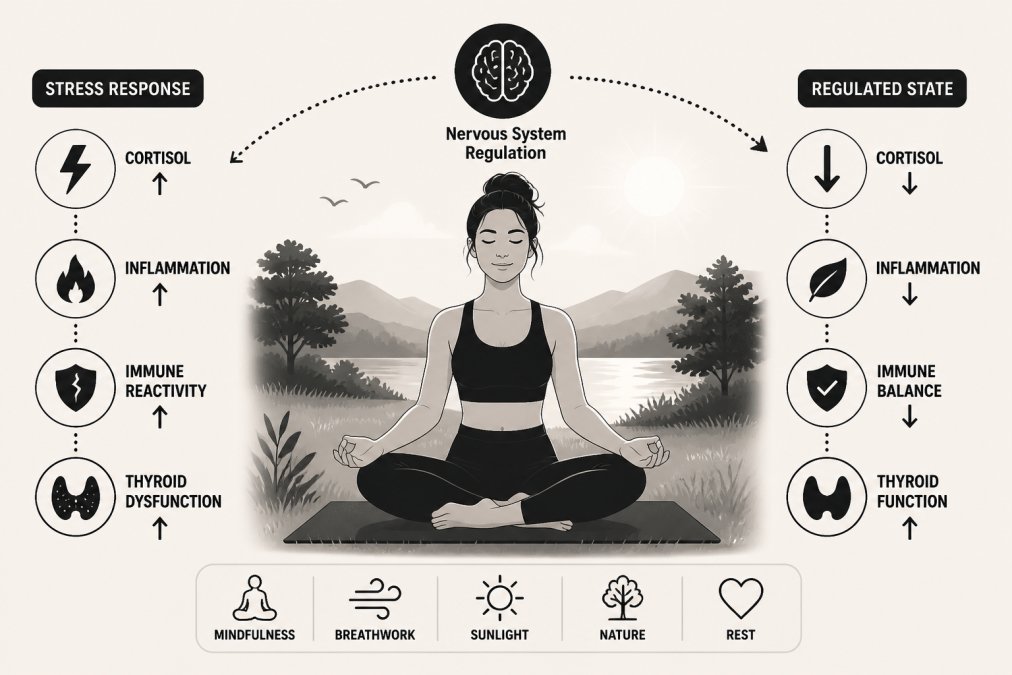
(https://blog.thyroidauthority.com/root-cause-autoimmune-how-to-find-root-cause-of-autoimmune-disease)]
Your nervous system directly controls immune activation. When you're in chronic fight-or-flight mode (sympathetic dominance), your immune system remains in a heightened, reactive state. Thyroid antibodies rise. Inflammation increases. Symptoms worsen.
Conversely, when your nervous system is regulated and you spend time in parasympathetic activation (rest-and-digest mode), immune activation naturally decreases. This is measurable physiology, not placebo.
Chronic stress elevates cortisol, which initially suppresses immune function but eventually leads to immune dysregulation and autoimmune activation. Stress also impairs gut barrier function, increases intestinal permeability, and perpetuates the leaky gut cycle. It disrupts sleep, which is when immune regulation and tissue repair occur.
Nervous system regulation must be a core pillar of any Hashimoto's reversal protocol. Without it, other interventions have limited effect.
Practical nervous system regulation strategies include:
- Vagal toning exercises (humming, gargling, cold water exposure) that activate the parasympathetic nervous system
- Breathwork (extended exhale breathing, box breathing) that signals safety to your nervous system
- Movement practices (yoga, tai chi, gentle walking) that calm the nervous system without creating additional stress
- Sleep optimization (consistent bedtime, dark environment, cool temperature) that allows immune regulation and tissue repair
- Stress reduction (meditation, time in nature, social connection) that reduces cortisol and sympathetic activation
- Limiting screen time and social media which perpetually activate fight-or-flight responses
Dr. Rachel, Vice President of the American Board of Nutrition and active member of the American Board of Functional Medicine, specializes in Nervous System Regulation and emphasizes that it's often the missing piece in Hashimoto's protocols. "Patients can do everything right with diet and supplements, but if their nervous system remains dysregulated, they won't see the antibody reduction they're hoping for," she explains. "The body cannot heal while it's in survival mode."
Most patients notice improvements in sleep quality, anxiety, and fatigue within 2-4 weeks of consistent nervous system regulation practices. These improvements often precede measurable changes in lab work but signal that the autoimmune cascade is slowing.
Blood Sugar Balance and Insulin Resistance in Hashimoto's
Hashimoto's patients almost universally develop dysregulated blood sugar and insulin resistance. Thyroid hormone is required for proper glucose metabolism. When thyroid function is compromised, blood sugar regulation deteriorates. Elevated insulin levels increase inflammation and perpetuate immune activation.
The cycle becomes self-reinforcing: poor blood sugar control increases inflammation, which drives thyroid autoimmunity, which further impairs glucose metabolism, which worsens insulin resistance.
Breaking this cycle requires stabilizing blood sugar through dietary and lifestyle strategies. This is one of the most effective interventions for reducing inflammation and thyroid antibodies.
Practical blood sugar stabilization strategies include:
- Eating protein and fat with every meal to slow glucose absorption and prevent insulin spikes
- Spacing meals 4-5 hours apart rather than frequent snacking, which allows insulin levels to normalize between meals
- Avoiding refined carbohydrates and added sugars which cause rapid blood sugar and insulin spikes
- Including fiber with carbohydrate sources (vegetables, whole grains) to slow glucose absorption
- Morning movement or exercise which improves insulin sensitivity for the entire day
- Consistent sleep which is critical for glucose regulation and insulin sensitivity
Many patients notice that stabilizing blood sugar alone produces significant symptom improvement, more stable energy throughout the day, reduced brain fog, improved mood, and decreased inflammation.
Testing fasting glucose, fasting insulin, and hemoglobin A1C provides objective evidence of blood sugar regulation. Many Hashimoto's patients have insulin levels that are elevated despite normal glucose levels, indicating insulin resistance even before blood sugar dysregulation becomes apparent.
Addressing insulin resistance typically requires consistent protocol adherence.
Managing Hashimoto's Flare-Up Triggers and Prevention
A Hashimoto's flare-up is characterized by a sudden increase in symptoms, fatigue, brain fog, joint pain, mood changes, digestive issues, often accompanied by rising thyroid antibody levels. Flare-ups occur when multiple triggers combine to overwhelm your immune system's regulatory capacity.
Common Hashimoto's flare-up triggers include:
- Infections (viral, bacterial, or parasitic) that activate immune response
- Dietary indiscretions (eating trigger foods repeatedly) that increase intestinal permeability
- Stress (work deadlines, relationship conflict, major life changes) that dysregulates the nervous system
- Sleep deprivation that impairs immune regulation
- Overtraining or excessive exercise that increases inflammatory cytokines
- Hormonal fluctuations (menstrual cycle, perimenopause) that affect immune regulation
- Environmental exposures (mold, heavy metals, pesticides) that activate immune response
The most effective flare-up prevention strategy is identifying your personal triggers, then implementing systems to minimize exposure or impact. Once triggers are identified, prevention strategies become straightforward: avoid known dietary triggers consistently, maintain stress management practices, protect sleep as a non-negotiable priority, manage infections promptly, avoid overtraining, and minimize environmental toxin exposure where possible.
When a flare-up does occur, increase nervous system regulation practices, return to strict elimination diet, ensure adequate sleep and rest, consider temporary increase in anti-inflammatory supplementation, reduce stressors where possible, and retest thyroid antibodies after 4-6 weeks to assess whether the flare-up is resolving.
Most flare-ups resolve with consistent protocol adherence. Recurrent flare-ups suggest that underlying triggers haven't been fully identified or addressed.
Environmental Toxins and Their Role in Autoimmune Flares
Environmental toxin exposure is an often-overlooked driver of Hashimoto's autoimmune activation. Heavy metals (mercury, lead, cadmium), persistent organic pollutants (pesticides, PCBs), mold toxins, and endocrine-disrupting chemicals all activate immune response and increase thyroid antibodies.
Your immune system recognizes these toxins as foreign threats and mounts an immune response. In genetically predisposed individuals, this immune activation can cross-react with thyroid tissue, perpetuating autoimmune attack.
Common environmental toxin exposures include mold in water-damaged buildings, heavy metals from contaminated water or old dental fillings, pesticides on non-organic produce, endocrine-disrupting chemicals (BPA, phthalates) in plastics and personal care products, and air pollution.
Reducing environmental toxin exposure requires practical lifestyle changes: filter drinking water to remove heavy metals and contaminants, buy organic produce for the "Dirty Dozen" (highest pesticide residue) items, minimize plastic use and avoid heating food in plastic containers, choose clean personal care products without endocrine-disrupting chemicals, address mold in your living environment, and improve indoor air quality with plants, air purifiers, or increased ventilation.
For patients with documented heavy metal toxicity or significant mold exposure, working with a functional medicine practitioner on appropriate detoxification protocols may be necessary. However, most patients see substantial improvement simply by reducing ongoing exposure and supporting their body's natural detoxification pathways through the nutritional and lifestyle strategies already discussed.
Mental Health and Cognitive Function in Thyroid Disease
Thyroid hormone is essential for brain function and mental health. When thyroid function is compromised, cognitive and emotional symptoms are inevitable, not because you're depressed or anxious in the traditional sense, but because your brain is literally not receiving adequate thyroid hormone at the cellular level.
Thyroid hormone (T3) is required for neurotransmitter synthesis (serotonin, dopamine, GABA, norepinephrine), myelin formation (the insulating sheath around nerve fibers), mitochondrial energy production, and cerebral blood flow. Inadequate T3 leads to low serotonin (depression, low mood), low dopamine (lack of motivation, apathy, poor focus), dysregulated GABA (anxiety, panic attacks), impaired myelin formation (brain fog, slow processing speed), reduced energy production (fatigue, poor concentration), and reduced oxygen delivery to the brain (cognitive sluggishness).
Common cognitive and emotional symptoms in Hashimoto's include brain fog and difficulty concentrating, memory problems and word-finding difficulty, depression and low mood, anxiety and panic attacks, mood swings and irritability, lack of motivation and apathy, insomnia or poor sleep quality, and slow processing speed.
Most patients assume these are purely psychological issues and seek mental health treatment. While therapy and medication can be helpful, they don't address the underlying thyroid dysfunction driving the symptoms. A patient with undertreated Hashimoto's taking an antidepressant may see modest improvement (perhaps 20-30% symptom reduction), but will continue to struggle until thyroid function is optimized.
Assessing Cognitive and Emotional Dysfunction in Hashimoto's
Before attributing cognitive or emotional symptoms to a primary psychiatric condition, thyroid function should be comprehensively assessed. Standard testing (TSH alone) is insufficient. A complete assessment should include free T3 and free T4 levels (not just TSH), reverse T3 (elevated reverse T3 indicates poor T3 availability at the tissue level), thyroid antibodies (to confirm autoimmune activation), and nutrient status (selenium, iron, zinc, B12, folate, vitamin D, all required for neurotransmitter synthesis).
Many patients with "normal" TSH have inadequate free T3 at the tissue level, either because they're not converting T4 to T3 properly, or because they have elevated reverse T3 (which blocks T3 receptors). This explains why they feel cognitively impaired despite "normal" lab results.
Additionally, cognitive symptoms often correlate with specific nutrient deficiencies. Low B12 causes memory problems and cognitive slowing. Low folate impairs mood and motivation. Low iron impairs focus and energy. Low magnesium impairs sleep quality and increases anxiety. Correcting these deficiencies often produces dramatic cognitive and emotional improvement.
The Timeline for Cognitive Recovery
Cognitive and emotional symptoms often improve more slowly than physical symptoms like fatigue or weight gain. This is because myelin repair and neurotransmitter rebalancing take time.
- Weeks 1-4: Mood and anxiety often improve first as neurotransmitter synthesis begins to normalize.
- Weeks 4-8: Brain fog and processing speed begin to improve as cerebral blood flow normalizes and mitochondrial function improves.
- Weeks 8-16: Memory and word-finding improve as myelin formation progresses and nutrient deficiencies are corrected.
- Months 4-6: Sustained cognitive improvement and emotional stability as the nervous system fully regulates and autoimmune activation decreases.
Some patients may see dramatic cognitive improvement within weeks. Others may require consistent protocol adherence before significant change becomes apparent.
The Functional Medicine Approach to Cognitive Symptoms
The functional medicine approach addresses both the physiological underpinnings and the psychological components: optimize thyroid hormone to ensure adequate free T3 at the tissue level, correct nutrient deficiencies (particularly B12, folate, iron, magnesium, and vitamin D), reduce autoimmune activation as thyroid antibodies decline, regulate the nervous system through meditation and breathwork, support sleep quality (when the brain clears metabolic waste and consolidates memory), and address gut health (the gut-brain axis means dysbiosis perpetuates neuroinflammation and cognitive symptoms).
Many patients report that as their thyroid symptoms resolve through the functional medicine protocol, their mood, cognition, and emotional stability improve dramatically. They don't need psychiatric medication; they needed their thyroid function optimized, their autoimmune system regulated, and their nutrient deficiencies corrected.
This is particularly important for women, who experience depression and anxiety at higher rates than men and are often dismissed as having purely psychological conditions when the root cause is actually thyroid dysfunction. Women are also more likely to be prescribed antidepressants or anti-anxiety medications without ever having their thyroid comprehensively evaluated.
Dr. Rachel emphasizes the cognitive-thyroid connection: "I've worked with countless women who were told their depression or anxiety was 'treatment-resistant' when they'd never had their free T3 or reverse T3 tested. Once we optimize thyroid function and correct nutrient deficiencies, their mood and cognition transform. The psychiatric symptoms weren't the primary problem; they were a symptom of thyroid dysfunction."
Personalized Testing Protocols Beyond Standard TSH
Effective Hashimoto's reversal requires comprehensive testing that goes far beyond the standard TSH check. Standard testing is designed to confirm hypothyroidism and adjust medication dosage. It's not designed to identify the root causes of autoimmune activation or guide a reversal protocol.
A comprehensive Hashimoto's testing protocol should include:
Thyroid Hormone Panel: TSH, free T4, free T3, and reverse T3 show whether you're converting thyroid hormone properly and whether you have adequate active hormone at the tissue level.
Thyroid Antibodies: TPO (thyroid peroxidase) and thyroglobulin antibodies indicate active autoimmune attack and should be rechecked every 3-6 months to assess whether interventions are reducing immune activation.
Nutrient Status: Selenium, iron, zinc, vitamin D, B12, and folate deficiencies perpetuate autoimmune activation and should be corrected aggressively.
Metabolic Markers: Fasting glucose, fasting insulin, and hemoglobin A1C reveal insulin resistance and blood sugar dysregulation, which perpetuate inflammation.
Inflammatory Markers: High-sensitivity C-reactive protein (hs-CRP) measures systemic inflammation and should decline as your protocol works.
Gut Health Markers: Comprehensive stool analysis or functional stool testing reveals dysbiosis, intestinal permeability, and infections that perpetuate autoimmune activation.
Thyroid Hormone Conversion: The ratio of free T3 to reverse T3 indicates whether you're converting thyroid hormone properly.
Most conventional practitioners test only TSH and free T4. A comprehensive protocol tests the markers that actually reveal what's driving your symptoms.
Thyroid Authority emphasizes personalized testing protocols as part of the EPIC Five Framework. Rather than applying a generic protocol to every patient, testing reveals each individual's specific drivers of autoimmune activation, allowing for targeted interventions.
Long-Term Maintenance: Sustaining Remission and Preventing Relapse
Reversing Hashimoto's symptoms is one challenge. Sustaining that improvement long-term is another. Many patients achieve significant symptom resolution, then relapse when they return to old habits or encounter new stressors.
Long-term maintenance requires understanding that Hashimoto's is a chronic autoimmune condition. You cannot "cure" it in the sense of making it permanently disappear. What you can do is achieve stable remission, a state where thyroid antibodies remain low, symptoms are minimal or absent, and you feel well.
Sustaining remission requires continued adherence to dietary changes that reduce immune activation, ongoing stress management and nervous system regulation practices, consistent sleep and exercise habits, regular monitoring of thyroid antibodies and other key markers every 6-12 months, quick response to flare-up signals before they become major setbacks, and continued supplementation of nutrients that support immune tolerance.
Many patients successfully transition from a strict elimination protocol to a more flexible maintenance approach after consistent protocol adherence. They understand their triggers, they've healed their gut, they've corrected nutrient deficiencies, and they can maintain remission with less rigid adherence.
However, this flexibility must be earned through consistent protocol adherence first. Attempting a flexible approach too early typically results in relapse.
The Thyroid Authority program provides long-term support through the 12-month structured program, helping patients transition from acute reversal protocols to sustainable long-term maintenance strategies.
Your Path to Reversing Hashimoto's Symptoms
Reversing Hashimoto's symptoms requires shifting from the conventional model (manage symptoms with medication) to the functional medicine model (identify and address root causes). This shift moves you from being a passive recipient of treatment to an active participant in your own healing.
The functional medicine approach to Hashimoto's reversal addresses gut health and intestinal permeability, nutritional deficiencies that perpetuate autoimmune activation, blood sugar dysregulation and insulin resistance, nervous system dysregulation and chronic stress, environmental toxin exposures, dietary triggers that activate immune response, thyroid hormone optimization and proper conversion, and mental health and cognitive function.
This comprehensive approach produces results that medication alone cannot achieve. Patients experience sustained energy, clarity, stable mood, and healthy weight. More importantly, thyroid antibodies decline, indicating that the autoimmune process is actually slowing rather than simply being managed.
The timeline for reversing Hashimoto's symptoms typically spans consistent protocol adherence. Some patients see noticeable improvement within 4-6 weeks. Others may require several months before significant change becomes apparent. This variation reflects differences in disease severity, trigger complexity, and individual healing capacity.
If you've been struggling with Hashimoto's symptoms despite normal lab results, if you've been dismissed by conventional practitioners, or if you're ready to address root causes rather than simply manage symptoms, the functional medicine approach offers a path forward.
Thyroid Authority's physician-led program is built on the EPIC Five Framework, the same methodology that Dr. Jason Bradley, Vice President of the American Board of Functional Medicine and active member of the American Board of Nutrition, has refined over 26 years of clinical practice and thousands of patient outcomes. Dr. Jason holds three doctorate degrees, a master's degree, and four board certifications and has spent his life dedicated to helping women reclaim their health, their happiness, and their lives. He is the author of the 2023 International bestseller, The EPIC Five Plan: 5 Steps to Reclaiming Your Health and Vitality (https://amzn.to/4fTwSXk).
The lifestyle medicine framework behind the incredible results of Thyroid Authority is based on The EPIC Five Plan and over two decades of measuring and refining thousands of patient outcomes. Rather than applying a generic protocol, the program personalizes your approach based on comprehensive testing, your specific triggers, and your individual healing capacity.
If you're ready to move beyond "your labs are fine" and actually reverse your Hashimoto's symptoms, consider scheduling a complimentary discovery session with the Thyroid Authority team. In that conversation, you'll discuss your specific health challenges, learn how the functional medicine approach differs from conventional treatment, and explore whether the program is right for you.
The gap between normal lab results and persistent Hashimoto's symptoms reflects a fundamental limitation in conventional medical approaches. Your fatigue, brain fog, weight gain, and autoimmune symptoms are real, and they're reversible through the functional medicine framework that Thyroid Authority has perfected. The program combines physician expertise, comprehensive testing, and the EPIC Five Framework to help you uncover root causes and achieve lasting remission. Schedule your complimentary discovery session with Thyroid Authority to discuss how this approach can transform your health journey.
Frequently Asked Questions
Can you naturally reverse Hashimoto's symptoms without medication?
Hashimoto's is an autoimmune condition where the body attacks the thyroid gland, often requiring thyroid hormone replacement. However, you can significantly reduce or reverse symptoms by addressing root causes: gut permeability, nutritional deficiencies, blood sugar dysregulation, and chronic inflammation. Many patients reduce medication needs or achieve remission-like symptom relief through functional medicine protocols that stabilize the immune system. This requires working with a qualified practitioner to personalize your approach, especially if you're already on levothyroxine or other thyroid medications.
What are the most common Hashimoto's flare-up triggers?
Flare-ups are typically triggered by infections (viral or bacterial), high stress and elevated cortisol, consumption of inflammatory foods like gluten and processed oils, intestinal permeability worsening, nutrient deficiencies (especially selenium and iron), hormonal shifts, and environmental toxin exposure. Identifying your personal triggers through food journaling, stress tracking, and functional testing helps you prevent flares before they start. Nervous system regulation practices and anti-inflammatory eating patterns are foundational to reducing trigger sensitivity over time.
How long does it typically take to reverse Hashimoto's symptoms?
Symptom improvement timelines vary widely depending on how long you've had Hashimoto's, the severity of your autoimmune activation, and how comprehensively you address root causes. Some patients notice energy improvements within 4-8 weeks of dietary and lifestyle changes. Significant symptom reversal often takes 3-6 months of consistent protocol adherence. Long-term remission and sustained symptom management typically require 12 months or more of structured work to fully stabilize the immune system and rebuild nutrient stores. Working with a functional medicine physician who can track your progress through personalized testing accelerates results.
What nutritional deficiencies are most critical to address in Hashimoto's?
The most impactful deficiencies in Hashimoto's are selenium (essential for thyroid peroxidase function and reducing antibodies), iron (critical for thyroid hormone conversion), vitamin D (immune system regulation), B12 (energy and neurological function), and zinc (immune tolerance). Omega-3 fatty acids are also crucial for reducing inflammation. Testing these levels through functional medicine protocols reveals your specific gaps. Addressing deficiencies through food-first approaches and targeted supplementation, guided by a practitioner, is central to reversing symptoms and preventing autoimmune flares.
Is Hashimoto's remission actually possible?
Hashimoto's remission means achieving stable thyroid antibodies, symptom relief, and sustained energy without active flares—not necessarily eliminating the autoimmune condition entirely. Many functional medicine patients achieve remission-like states through comprehensive root-cause protocols addressing gut health, nutritional status, blood sugar balance, and nervous system regulation. The EPIC Five Framework, developed over two decades of measuring thousands of patient outcomes, focuses on stabilizing the immune system and restoring function rather than chasing a medical cure. With commitment to personalized lifestyle and nutritional protocols, sustained remission is achievable for most patients.
How does nervous system regulation help reverse Hashimoto's symptoms?
Chronic stress keeps your nervous system in a fight-or-flight state, which perpetuates inflammation and autoimmune activation. When your nervous system remains dysregulated, your body continues attacking the thyroid gland and your cortisol levels stay elevated, worsening insulin resistance and gut permeability. Nervous system regulation practices—including breathwork, meditation, gentle movement, and sleep optimization—shift you into a parasympathetic (rest-and-digest) state where inflammation naturally decreases and immune tolerance improves. This is why nervous system work is foundational to reversing Hashimoto's symptoms, not optional.
Can you reverse Hashimoto's if you also have other autoimmune conditions?
Yes. While multiple autoimmune conditions share common root causes (gut permeability, nutritional deficiencies, dysregulated nervous system, blood sugar imbalance), the functional medicine approach addresses these shared mechanisms. Whether you have Hashimoto's alone or alongside conditions like celiac disease, lupus, or rheumatoid arthritis, the EPIC Five Framework focuses on restoring immune tolerance and metabolic health. However, managing multiple autoimmune conditions requires more comprehensive personalization and professional oversight to ensure all conditions are properly supported and medication interactions are managed.