 ultimate-guide
Functional Medicine Thyroid Specialist Online: 2026 Guide
Table of Contents
- Why Conventional Thyroid Care Leaves So Many Patients Behind
- What a Functional Medicine Thyroid Specialist Does Differently
- Functional Medicine Thyroid Lab Tests: Reading Beyond TSH
- Benefits of Telehealth for Thyroid Care: Why Online Works
- The EPIC Five Framework: A Physician-Led Approach to Thyroid Health
- Functional Medicine Thyroid Diet Plan: Food as a Clinical Tool
- Functional Medicine Patient Success Stories
- How to Choose a Functional Medicine Thyroid Specialist Online
- Frequently Asked Questions
Last Updated: August 7, 2026
Millions of Americans are walking around with thyroid dysfunction that never shows up on a standard lab report. At Thyroid Authority, we see this every day: women who have been told their TSH is "normal," yet they are exhausted, gaining weight, losing hair, and barely functioning by 3 p.m. The gap between what conventional medicine measures and what patients actually experience is real, and it is exactly where a functional medicine thyroid specialist online fills a critical void. Below, we'll show you exactly how a root-cause approach differs from what you've likely already tried, what comprehensive testing actually looks like, and how to find the right physician-led program for your situation.
Why Conventional Thyroid Care Leaves So Many Patients Behind
The single biggest frustration we hear from new patients is some version of this: "My doctor says my labs are normal, but I feel terrible." That frustration is not in your head.
The TSH-Only Problem
Standard thyroid care in the United States relies almost entirely on thyroid-stimulating hormone as the primary diagnostic marker. TSH is a pituitary hormone, not a thyroid hormone. Measuring it alone is like checking the thermostat setting instead of the actual temperature in the room. It tells you what the brain is asking for, not what the thyroid is delivering.
A TSH reading that falls within the conventional reference range does not confirm that your cells are receiving adequate thyroid hormone. Free T3, the biologically active form of thyroid hormone, can be critically low even when TSH looks acceptable. Reverse T3 can block receptor sites and create functional hypothyroidism even when total hormone levels appear fine. None of these markers appear on a standard thyroid screen.
According to the American Thyroid Association's clinical guidelines, TSH alone is insufficient for evaluating the full picture of thyroid function in many symptomatic patients. Yet most primary care visits end with a TSH result, a "you're fine," and a door closing on a patient who is anything but fine.
Hashimoto's Thyroiditis and the Autoimmune Gap
Hashimoto's thyroiditis is the most common cause of hypothyroidism in the United States, and it is also the most underdiagnosed. Hashimoto's is an autoimmune disease, meaning the immune system is attacking thyroid tissue. You can have Hashimoto's for years before TSH shifts enough to trigger a conventional diagnosis.
The test that reveals it is a thyroid peroxidase antibody panel. Many conventional practitioners do not order it routinely. The result is that patients receive a hypothyroidism diagnosis without ever being told their immune system is the root cause, which means the treatment plan addresses the downstream effect while ignoring the upstream driver.
Treating Hashimoto's as a simple hormone deficiency, rather than an autoimmune disease, is one of the most consequential errors in modern thyroid care. Hormone replacement alone does not stop the immune attack. Addressing inflammation, gut health, nutritional deficiencies, and stress physiology does.
What a Functional Medicine Thyroid Specialist Does Differently
Forget the idea that functional medicine is simply "alternative" medicine with a different label. A qualified functional medicine thyroid specialist applies evidence-based diagnostics and clinical reasoning to find what conventional workups miss.
Root Cause Analysis vs. Symptom Management
The conventional model is built around a single question: "Is your TSH out of range?" The functional medicine model asks a fundamentally different set of questions: Why is the thyroid underperforming? What is driving the immune attack? What nutritional deficiencies are amplifying the dysfunction? What role is adrenal fatigue, gut permeability, or chronic inflammation playing?
This is root cause medicine. It is slower, more thorough, and more demanding of both the physician and the patient. It is also far more likely to produce lasting change.
A common mistake in thyroid care is assuming that stabilizing hormone levels is the endpoint. For patients with Hashimoto's and other autoimmune conditions, hormone optimization is a starting point, not a finish line. The real work involves identifying and correcting the biological conditions that made the thyroid vulnerable in the first place.
The Role of Integrative Endocrinology
Integrative endocrinology sits at the intersection of conventional hormone science and systems-based medicine. It treats the endocrine system as part of an interconnected whole rather than an isolated organ. The thyroid does not function in a vacuum. It is influenced by cortisol output from the adrenal glands, by gut microbiome composition, by liver detoxification capacity, and by cellular inflammation levels.
A practitioner trained in integrative endocrinology will assess all of these systems before drawing conclusions about thyroid function. This is a categorically different clinical approach from the 15-minute office visit that ends with a prescription adjustment.
Functional Medicine Thyroid Lab Tests: Reading Beyond TSH
Comprehensive functional medicine thyroid lab tests are the foundation of accurate diagnosis. Without the right data, even the best clinical intuition falls short.
The Complete Thyroid Panel Explained
A complete thyroid panel is the diagnostic cornerstone of functional thyroid care. It goes far beyond the single TSH measurement that most patients receive.
Lab Marker | What It Measures | Why It Matters |
|---|---|---|
TSH | Pituitary signaling to the thyroid | Baseline indicator, but insufficient alone |
Free T4 | Inactive thyroid hormone in circulation | Shows production capacity |
Free T3 | Active thyroid hormone available to cells | The marker that determines how you feel |
Reverse T3 | Inactive T3 that blocks receptor sites | Elevated levels cause functional hypothyroidism |
TPO Antibodies | Immune attack on thyroid tissue | Confirms Hashimoto's thyroiditis |
Thyroglobulin Antibodies | Secondary autoimmune marker | Often elevated alongside TPO in Hashimoto's |
Ferritin | Iron storage protein | Low ferritin impairs T4-to-T3 conversion |
Vitamin D | Immune-regulating hormone | Deficiency is strongly associated with autoimmune disease |
Most patients arriving at Thyroid Authority have had only TSH and perhaps T4 tested. The full panel above regularly reveals the missing pieces that explain years of unresolved symptoms.
Medication vs. Supplementation: What the Labs Actually Tell You
This is the nuance most programs skip entirely. The decision between thyroid medication optimization and targeted supplementation is not a philosophical one. It is a data-driven clinical decision that depends on what the labs reveal.
If Free T3 is low and Reverse T3 is elevated, the conversion pathway is impaired. That may require a medication adjustment, specifically the addition of T3 alongside T4, rather than simply increasing the T4 dose. If TPO antibodies are high, the priority shifts to reducing the immune attack through nutritional and lifestyle interventions, because no medication directly addresses autoimmune activity.
Supplementation plays a genuine clinical role in functional thyroid care. Selenium supports T4-to-T3 conversion and has been shown in research to reduce TPO antibody levels. Zinc, magnesium, and iodine each play specific roles in thyroid hormone synthesis. But supplementation without lab guidance is guesswork. The labs tell you which pathways are compromised and which interventions are warranted.
As documented in research published in the journal Thyroid, selenium supplementation in Hashimoto's patients produced measurable reductions in thyroid peroxidase antibodies, supporting its role as a targeted nutritional intervention rather than a general wellness supplement.
Benefits of Telehealth for Thyroid Care: Why Online Works
Telehealth is not a compromise for thyroid care. For many patients, it is actually the superior option.

The benefits of telehealth for thyroid care extend beyond convenience. Access to specialized functional medicine practitioners is severely limited geographically. Most patients with complex thyroid dysfunction live hours from a qualified integrative endocrinologist. A virtual program removes that barrier entirely, making physician-led, root-cause care available nationwide.
The practical advantages are significant:
- Continuity of care: Virtual programs support consistent follow-up over a 12-month period, which is the timeframe meaningful thyroid and autoimmune change actually requires
- Lab flexibility: Patients can use local labs or at-home testing kits and share results directly with their care team
- Reduced friction: No commute, no waiting rooms, no rescheduling around a specialist's limited in-office hours
- Documented outcomes: Virtual programs typically maintain more systematic records of symptom progression than episodic in-person visits
The skepticism about virtual care for complex conditions is understandable. The concern is usually: "Can a doctor really assess me without being in the room?" For thyroid and autoimmune care, the answer is yes, because the assessment is primarily data-driven. Lab values, symptom timelines, and detailed health histories are the diagnostic tools, and none of them require physical proximity.
The EPIC Five Framework: A Physician-Led Approach to Thyroid Health
The EPIC Five™ Framework is the clinical backbone of Thyroid Authority's 12-month program. Developed by Dr. Jason Bradley, Vice President of the American Board of Functional Medicine and author of the 2023 international bestseller The EPIC Five Plan: 5 Steps to Reclaiming Your Health and Vitality, this framework represents over 26 years of thyroid and functional medicine expertise distilled into a structured, measurable system.
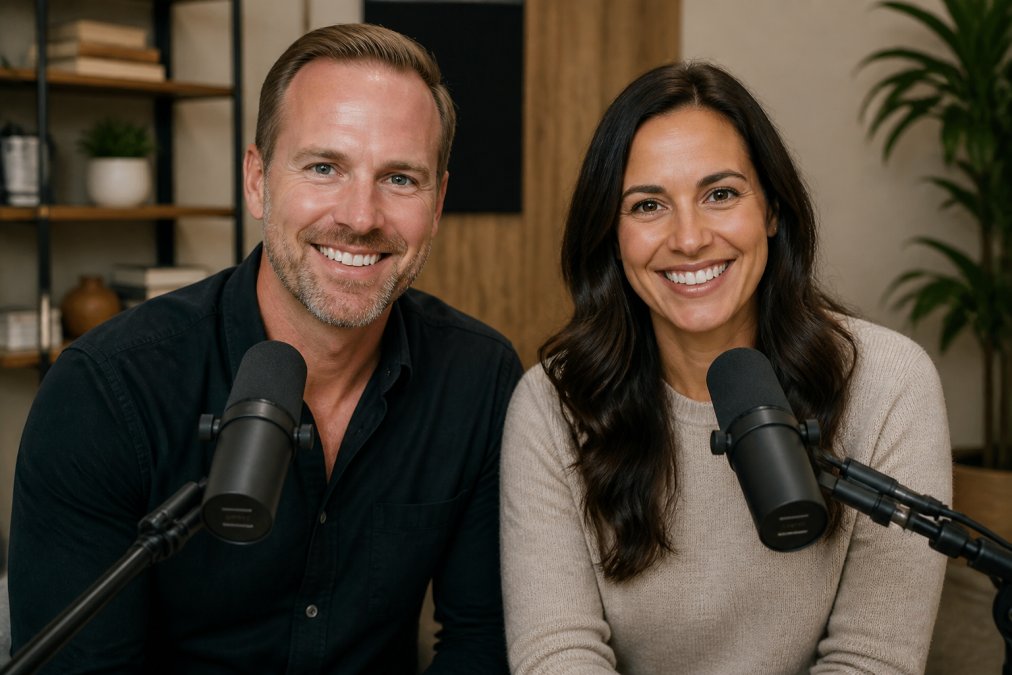
Dr. Bradley holds three doctorate degrees, a master's degree, and four board certifications. His co-lead, Dr. Rachel, brings over 15 years of clinical experience spanning hospital and private practice settings, with deep specialization in nervous system regulation and the psychological and nutritional components that perpetuate chronic illness. Dr. Rachel serves as Vice President of the American Board of Nutrition and is an active board member of the American Board of Functional Medicine.
The EPIC Five Framework addresses five interconnected domains that drive thyroid and autoimmune dysfunction. It is not a generic wellness checklist. It is a lab-guided, physician-supervised protocol built on outcomes from thousands of patients.
Long-Term Maintenance and Monitoring: What a 12-Month Program Delivers
Most thyroid patients have experienced the revolving door of short-term interventions. A 12-month structured program is different in kind, not just in duration.
Here is what a year-long, physician-led program actually delivers that a series of one-off appointments cannot:
- Baseline to progress tracking: Repeat lab panels at defined intervals reveal whether interventions are working at the cellular level, not just symptom level
- Protocol adjustment: Thyroid and autoimmune conditions shift over time. A 12-month program allows for real-time course corrections rather than waiting for the next annual physical
- Autoimmune remission timelines: Meaningful reduction in TPO antibodies and systemic inflammation takes months, not weeks. Programs shorter than six months rarely capture this arc
- Behavioral and metabolic consolidation: Dietary changes, stress physiology work, and sleep optimization require sustained reinforcement to become permanent physiological shifts
- Accountability structure: Regular check-ins with a clinical team sustain patient engagement through the inevitable plateaus
The lifestyle medicine framework behind Thyroid Authority's results is grounded in The EPIC Five Plan and over two decades of measuring and refining outcomes across thousands of patients. This is not a theory. It is a tested, iterated clinical system.
Functional Medicine Thyroid Diet Plan: Food as a Clinical Tool
A functional medicine thyroid diet plan is not about restriction for its own sake. It is about removing inflammatory inputs and supplying the specific nutrients thyroid function depends on.
The most common dietary drivers of thyroid dysfunction include gluten sensitivity, which can trigger molecular mimicry in Hashimoto's patients; excess iodine, which paradoxically can worsen autoimmune thyroid disease; and blood sugar dysregulation, which disrupts cortisol and downstream thyroid hormone conversion.
Thyroid-supportive nutritional priorities include:
- Adequate selenium from Brazil nuts, sardines, and organ meats
- Zinc from red meat, pumpkin seeds, and shellfish
- Magnesium from leafy greens, nuts, and dark chocolate
- Iron optimization, particularly for women with heavy menstrual cycles
- Anti-inflammatory dietary patterns that reduce systemic inflammation load
The Thyroid-Gut Axis and Inflammation
The thyroid-gut axis is one of the most clinically significant and most overlooked relationships in thyroid care. Approximately 20 percent of T4-to-T3 conversion occurs in the gut. Gut microbiome disruption, intestinal permeability, and dysbiosis directly impair this conversion process and amplify systemic inflammation.
According to research from the National Institutes of Health on gut microbiome and thyroid function, the relationship between gut health and thyroid hormone metabolism is bidirectional, with thyroid dysfunction altering gut motility and gut dysbiosis impairing hormone conversion.
Addressing gut health is not optional in a serious thyroid protocol. It is a clinical priority. This means identifying and removing inflammatory triggers, supporting the mucosal lining, and restoring microbial diversity through targeted interventions.
Chronic inflammation is the thread that connects gut dysfunction, autoimmune activity, and thyroid hormone resistance. Reducing the inflammatory burden is not a wellness platitude. It is a measurable intervention with trackable lab markers, including C-reactive protein, homocysteine, and inflammatory cytokine panels.
Functional Medicine Patient Success Stories
The most honest measure of any clinical program is what happens to real patients over time.

These are the kinds of outcomes we see consistently at Thyroid Authority:
"I had been on levothyroxine for six years and still felt like I was dragging myself through every day. Within four months of starting the program, my Free T3 was optimized for the first time, my antibodies had dropped significantly, and I had more energy than I'd had in a decade. Nobody had ever looked at my Reverse T3 before.", Patient, 47, diagnosed with Hashimoto's
"I was skeptical about doing this virtually. I'd seen three endocrinologists in person and none of them could explain why I kept gaining weight despite being on medication. The EPIC Five program found a gut permeability issue and a severe magnesium deficiency that had never been tested. Six months in, I'm down 22 pounds and my brain fog is gone.", Patient, 52, hypothyroidism plus autoimmune history
"What I appreciated most was that Dr. Jason and Dr. Rachel actually understood what it felt like to go through this. They weren't just reading from a protocol. They had lived versions of this themselves. That changed everything about how I engaged with the program.", Patient, 39, Hashimoto's with concurrent anxiety and fatigue
These outcomes reflect what becomes possible when thyroid care addresses the full biological picture rather than a single lab value. Thousands of patients have worked through the Thyroid Authority program and reclaimed their energy, their clarity, and their sense of self.
How to Choose a Functional Medicine Thyroid Specialist Online
The quality gap between providers in this space is significant. Choosing the wrong program wastes time, money, and the most precious resource: the window of time when intervention is most effective.
A qualified functional medicine thyroid specialist online should meet these criteria:
- Board certification in functional medicine, integrative medicine, or a directly relevant clinical specialty
- Demonstrated expertise specifically in thyroid and autoimmune conditions, not general wellness
- A structured protocol with defined lab testing, not a generic supplement recommendation model
- Physician-led care, meaning a licensed medical doctor is directing the clinical decisions
- Transparent about their own clinical philosophy and how they approach Hashimoto's versus simple hypothyroidism
- A program duration that matches the biological reality of autoimmune remission (minimum six months, ideally 12)
The proliferation of telehealth thyroid services has made this space crowded. Many programs offer labs and supplements without the physician-level clinical reasoning to interpret them meaningfully. The difference between a program that changes your health and one that keeps you spinning is the quality of the clinical mind interpreting your data.
Questions to Ask Before You Commit
Before enrolling in any functional medicine thyroid program, get clear answers to these questions:
- Who specifically is reviewing my lab results? A physician, a health coach, or an algorithm?
- Does the program address autoimmune drivers, or only hormone levels?
- What is the protocol if my condition involves multiple autoimmune conditions?
- How are medication adjustments handled within a virtual setting?
- What does the 12-month structure actually look like? How many touchpoints, what type, and how frequently?
- Can the program work alongside my current prescribing physician?
These questions separate programs built around clinical outcomes from those built around enrollment numbers. A practitioner who hesitates on any of these is telling you something important.
For those ready to find out whether Thyroid Authority's physician-led approach is the right fit, a complimentary discovery session is available to walk through your history, your labs, and what the EPIC Five Framework would address in your specific case.
The Get Better Faster Podcast, hosted by the Thyroid Authority clinical team, has reached millions of listeners and holds a position in Apple's top 100 Health and Fitness podcasts globally, with rankings in the top 15 of Alternative Health. It is a substantive resource for anyone wanting to understand the science behind functional thyroid care before committing to a program.
As outlined in the Institute for Functional Medicine's clinical framework for thyroid evaluation, a comprehensive functional medicine approach to thyroid dysfunction integrates hormonal, immunological, nutritional, and lifestyle factors, a framework that aligns directly with how Thyroid Authority structures its clinical protocols.
Thyroid dysfunction that doesn't respond to standard care is not a mystery. It is a signal that the right questions haven't been asked yet. Thyroid Authority's physician-led, 12-month virtual program applies the EPIC Five™ Framework to find those answers, using comprehensive thyroid panels, root cause analysis, and personalized care plans built on two decades of clinical outcomes. Dr. Jason Bradley and Dr. Rachel bring board-level credentials and personal experience with thyroid dysfunction to every patient relationship. Apply for the Thyroid Authority Program and take the first step toward understanding what is actually driving your symptoms.
Frequently Asked Questions
What does a functional medicine thyroid specialist do differently than a standard endocrinologist?
A functional medicine thyroid specialist runs a comprehensive thyroid panel, including Free T3, Free T4, Reverse T3, and thyroid peroxidase antibodies, rather than relying on TSH alone. They look for root causes such as autoimmune disease, adrenal fatigue, gut dysfunction, and nutritional deficiencies. Treatment is personalized, combining thyroid medication optimization, targeted supplementation, dietary changes, and lifestyle interventions, rather than adjusting a single medication and calling it done.
Is online functional medicine effective for thyroid disorders like Hashimoto's?
Yes. Telehealth removes geographic barriers to specialized care and allows for consistent, ongoing monitoring that in-person quarterly appointments rarely provide. Functional medicine thyroid lab tests can be ordered through local draw sites and reviewed virtually. Programs like Thyroid Authority's 12-month structured virtual program have helped thousands of patients with Hashimoto's thyroiditis and hypothyroidism reduce symptoms, optimize hormone levels, and work toward autoimmune remission, all without leaving home.
How long does it take to see results with functional medicine for thyroid health?
Most patients notice meaningful improvements in thyroid-related fatigue, brain fog, and thyroid-related weight gain within the first 60 to 90 days as root causes are identified and the personalized care plan is implemented. Autoimmune remission and sustained metabolic health improvements typically require six to twelve months of consistent, lab-guided treatment. A structured 12-month program gives the body enough time to shift from symptom management to genuine restoration of thyroid function.
Does insurance cover online functional medicine for thyroid treatment?
Coverage varies widely by insurer and plan. Some telehealth consultations may be partially reimbursed, and functional medicine thyroid lab tests ordered through standard labs are often covered. However, many comprehensive functional medicine programs operate outside standard insurance networks. Contact your insurer to verify your specific benefits, and ask any program you are considering what documentation they provide to support potential reimbursement claims.