 listicle
Do Thyroid Supplements Actually Work? Evidence Explained
Table of Contents
- Do Thyroid Supplements Actually Work?
- The Role of Iodine and Key Nutrients in Thyroid Function
- How to Improve Thyroid Function: Supplement vs. Medication
- Common Thyroid Supplement Ingredients and What the Research Shows
- The Risks of Unregulated Thyroid Supplements
- Drug-Supplement Interactions You Need to Know
- Understanding Thyroid Health Root Cause Analysis
- Lab Testing and Supplement Effectiveness
- Why Some People See Results and Others Don't
- Conclusion: Moving Beyond Supplements Alone
Last Updated: August 28, 2026
Do Thyroid Supplements Actually Work?
The short answer: some thyroid supplements address specific nutrient gaps, but they're not a substitute for medical care or medication when you have a diagnosed thyroid condition. Many people take thyroid supplements expecting them to restore normal function or replace medication, and that's where the confusion starts. At Thyroid Authority, we've worked with thousands of patients who felt dismissed by conventional medicine, only to discover that their real problem wasn't a missing supplement. It was an undiagnosed root cause their doctors never investigated.
The thyroid is an endocrine system gland that produces two critical hormones: T4 and T3. These hormones regulate your metabolic rate, energy production, temperature control, and dozens of other functions. When something goes wrong, whether it's iodine deficiency, autoimmune attack, nutrient malabsorption, or chronic inflammation, no supplement alone can fix it. Yet the supplement industry markets thyroid support products as if they can.
Here's what matters: certain supplements contain ingredients that genuinely support thyroid function when you have specific deficiencies. Iodine, selenium, zinc, and iron all play documented roles in thyroid hormone production and conversion. But taking these ingredients when your labs show you don't need them won't help. And if your thyroid problem stems from autoimmune inflammation or medication side effects, a supplement won't address the root cause.
This guide covers what the research actually shows about thyroid supplements, which ingredients matter and why, the real risks you need to know about, and most importantly, how to tell whether a supplement might help you or whether you're wasting money on something that won't change your symptoms.
The Role of Iodine and Key Nutrients in Thyroid Function
Iodine is the foundational nutrient for thyroid hormone production. Your thyroid uses iodine to synthesize T4 and T3, without it, hormone production stops. This is why iodine deficiency causes hypothyroidism in populations without adequate dietary iodine. In the developed world, iodized salt has made severe iodine deficiency rare, but mild deficiency still occurs, particularly in people who avoid salt or follow restrictive diets.
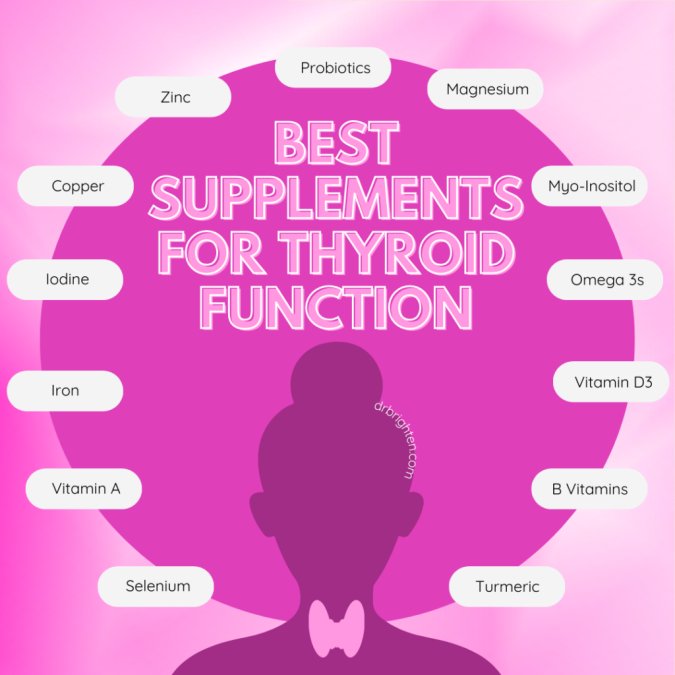
Selenium works alongside iodine. Your thyroid uses selenium-dependent enzymes called selenoproteins to convert T4 into the active T3 hormone (peer-reviewed research). Without adequate selenium, this conversion stalls, you can produce plenty of T4, but your cells can't access the hormone they need. Zinc and iron play supporting roles in thyroid hormone metabolism and immune regulation. Vitamin D influences immune tolerance and thyroid autoimmunity. B vitamins, particularly B12, support energy production and neurological function, symptoms people often attribute to thyroid problems.
The critical distinction is this: these nutrients support thyroid function when you're deficient. They don't enhance function beyond normal. If your iodine, selenium, and zinc levels are adequate, adding more won't improve your thyroid or your energy. Many thyroid supplement marketing claims blur this line deliberately.
Bioavailability matters more than ingredient list. A supplement containing iodine, selenium, and zinc is only useful if your body can absorb and use those forms. Synthetic forms often have lower bioavailability than food sources or certain chelated mineral forms. This is why two supplements with identical ingredient lists produce different results for different people.
How to Improve Thyroid Function: Supplement vs. Medication
This is where most guides mislead readers. Supplements and medication do fundamentally different things. Medication (like levothyroxine, the synthetic T4 hormone) replaces or supplements the hormone your thyroid isn't producing. Supplements provide nutrients that support thyroid function. These are not interchangeable.
If you have Hashimoto's disease or hypothyroidism and your thyroid has failed to produce adequate hormone, a supplement cannot replace medication. Your body needs the actual hormone. No amount of iodine or selenium will restore a thyroid that's being attacked by your immune system or has lost function due to surgical removal or radiation.
Where supplements can help: if you're on medication but still feel symptomatic despite normal lab results, nutrient deficiencies might be part of the picture. If your conversion of T4 to T3 is sluggish due to low selenium or zinc, addressing that deficiency might improve how you feel. If your energy and mood are dragging because of vitamin D deficiency or B12 malabsorption, supplementing those nutrients can help. But these are adjuncts to proper diagnosis, not replacements for it.
The root cause question matters enormously. Many people with normal thyroid labs still feel exhausted, gain weight, and experience brain fog. Their doctors say "your thyroid is fine" and dismiss them. The problem often isn't the thyroid itself, it's inflammation, nutrient deficiencies, blood sugar dysregulation, sleep disruption, or chronic stress. A thyroid supplement won't fix any of those. You need root cause analysis, not a supplement bottle.
This is why Thyroid Authority's approach focuses on identifying what's actually driving your symptoms before recommending anything. When you feel terrible despite normal labs, the answer isn't always thyroid-related. It might be your gut health preventing nutrient absorption. It might be your nervous system stuck in a stress response. It might be undiagnosed celiac disease or food sensitivities causing inflammation. A supplement addresses none of these.
Common Thyroid Supplement Ingredients and What the Research Shows
Most thyroid supplements contain overlapping ingredient combinations. Understanding what each does, and what the evidence actually supports, helps you evaluate whether a specific product makes sense for your situation.
Iodine (typically 150-1,000 mcg per serving): Iodine is essential for thyroid hormone synthesis. Your thyroid needs approximately 150 mcg daily (the NIH). Supplements often provide 500-1,000 mcg, which exceeds daily needs. More isn't better, excess iodine can trigger or worsen autoimmune thyroid disease in susceptible people. The research is clear: iodine supplementation helps when you're deficient but can harm when you're not.
L-Tyrosine (typically 500-2,000 mg per serving): L-tyrosine is an amino acid your thyroid uses to build thyroid hormones. The logic seems sound, more tyrosine, more hormone production. The evidence is weak. Studies show L-tyrosine helps with cognitive function under stress, but thyroid-specific benefits are minimal unless you have a severe tyrosine deficiency, which is rare in people eating adequate protein.
Selenium (typically 100-200 mcg per serving): Selenium is genuinely important for converting T4 to T3 and for protecting the thyroid from oxidative damage. The evidence supports selenium supplementation when you're deficient. Normal supplementation (100-200 mcg daily) is safe. Excess selenium (above 400 mcg daily) can cause toxicity. If you're not deficient, supplementing won't improve conversion.
Zinc (typically 10-30 mg per serving): Zinc supports immune regulation and thyroid hormone metabolism. Like selenium, it helps when you're deficient. Excess zinc interferes with copper absorption and can worsen immune dysregulation. Testing your baseline zinc level before supplementing prevents wasting money or causing imbalance.
Ashwagandha (typically 300-600 mg per serving): This adaptogenic herb has research support for reducing cortisol and supporting thyroid function in people with elevated stress. Studies show modest benefits for thyroid hormone levels and symptoms in some populations. The effect is real but modest, it's not a thyroid medication replacement.
Guggul (typically 250-500 mg per serving): Guggul has traditional use in Ayurvedic medicine for thyroid support. Research is limited and mixed. Some studies show modest improvements in T4 levels; others show no effect. The evidence doesn't justify the marketing claims most brands make.
The Risks of Unregulated Thyroid Supplements
The dietary supplement industry operates under different regulatory oversight than pharmaceutical medications. The FDA doesn't require supplements to prove safety or efficacy before marketing. Manufacturers are responsible for quality control, but enforcement is inconsistent. This creates a landscape where "thyroid support" products vary wildly in potency, purity, and actual ingredient content.
Third-party testing helps but doesn't guarantee safety. Some supplements tested by NSF International or ConsumerLab contain exactly what the label claims. Others contain contaminants, fillers, or vastly different amounts of active ingredients than stated. Without independent testing, you're trusting the manufacturer's quality standards.
The "thyroid support" label itself is a loophole. Because manufacturers can't claim their supplement treats or cures thyroid disease, they use vague language: "supports healthy thyroid function," "promotes metabolic balance," "supports energy." This language is legally compliant but misleading. It suggests the product will improve your thyroid or energy when the evidence might not support that claim for your specific situation.
Excess iodine from supplements is a genuine risk. If you have Hashimoto's or other autoimmune thyroid disease, high-dose iodine supplementation can trigger flares or worsen autoimmune attack. People living in areas with adequate dietary iodine (most of the developed world, thanks to iodized salt) don't need iodine supplements. Taking them anyway increases autoimmune risk without benefit.
Quality and dosage consistency matter. A supplement batch from six months ago might contain 500 mcg of selenium per capsule. The current batch might contain 200 mcg or 800 mcg. This inconsistency means you can't rely on the supplement to deliver stable support. Medications are manufactured under strict potency standards; supplements are not.
Drug-Supplement Interactions You Need to Know
If you're taking thyroid medication (levothyroxine, liothyronine, or desiccated thyroid), certain supplements interfere with absorption or effectiveness. This is a critical gap most thyroid supplement marketing ignores.
Calcium supplements reduce levothyroxine absorption by 20-60% if taken within 4 hours (peer-reviewed research). Iron supplements have similar effects. Many multivitamins contain both calcium and iron. If you're taking thyroid medication and a multivitamin, spacing them 4+ hours apart is essential. Most people don't know this.
Fiber supplements, particularly psyllium husk, can bind thyroid medication and reduce absorption. High-fiber foods have modest effects, but concentrated fiber supplements can significantly impact medication effectiveness.
Certain medications also interfere. Proton pump inhibitors (used for acid reflux) reduce stomach acid and impair levothyroxine absorption. Antacids do the same. If you're on thyroid medication and acid reflux treatment, your thyroid medication might not be absorbing properly, and you'd blame the medication for not working, when the real problem is an interaction.
Some thyroid supplements contain ingredients that interact with medications you might be taking. Ashwagandha can potentiate the effects of sedatives or immunosuppressants. If you're on medications for anxiety, depression, or autoimmune disease, ashwagandha supplementation needs medical review first.
The interaction risk is highest when you're self-prescribing supplements without medical oversight. You don't know what you're taking, in what doses, or how it interacts with your medications or other supplements. This is why working with a practitioner who understands both thyroid function and supplement pharmacology matters.
Understanding Thyroid Health Root Cause Analysis
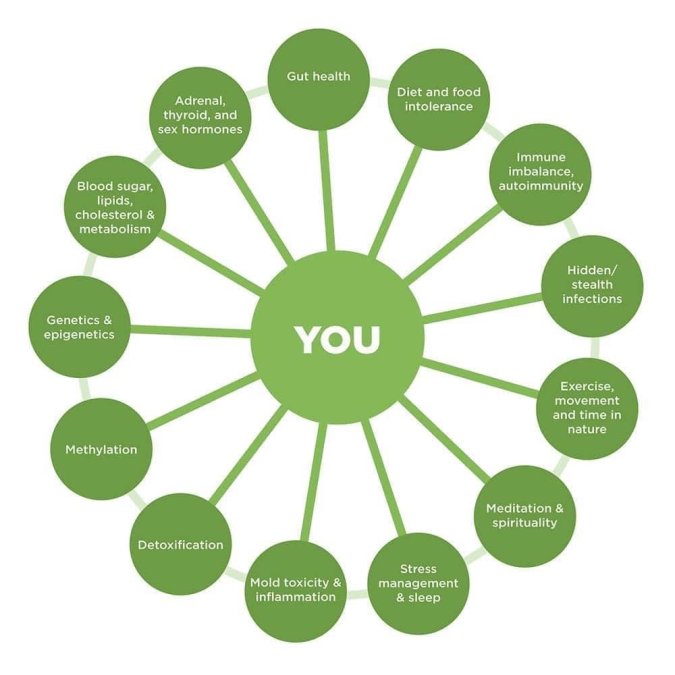
This is where most thyroid supplement marketing fails completely. It treats thyroid symptoms as a supplement deficiency problem when the real cause might be something entirely different.
You feel exhausted, gain weight easily, and experience brain fog. Your doctor runs basic thyroid labs, TSH and maybe free T4, and says everything looks normal. So you buy a thyroid supplement, take it for three months, and feel no different. You conclude either the supplement doesn't work or your thyroid problem is unfixable. Neither is true. Your problem is that basic thyroid labs don't tell the full story.
Root cause analysis requires looking beyond TSH. It means measuring free T3 and free T4, not just total levels. It means checking reverse T3, which can be elevated when your body isn't converting T4 to T3 properly. It means assessing thyroid antibodies to determine if autoimmunity is driving the problem. It means checking nutrient levels, iron, ferritin, B12, vitamin D, selenium, zinc, to identify deficiencies that might impair thyroid function or energy production.
It also means looking outside the thyroid entirely. Gut health affects nutrient absorption. If you have celiac disease, Crohn's disease, or intestinal permeability, you won't absorb the nutrients your thyroid needs, no matter how many supplements you take. Blood sugar dysregulation stresses your system and impairs thyroid function. Chronic sleep deprivation suppresses thyroid hormone production. Unmanaged stress keeps your nervous system in fight-or-flight, which diverts resources away from thyroid and metabolism.
Many people with normal thyroid labs still have thyroid dysfunction. Their conversion of T4 to T3 is impaired. Their thyroid antibodies are elevated, indicating early autoimmune attack. Their reverse T3 is high, blocking T3 from working. Their nutrient deficiencies prevent optimal thyroid function. A basic TSH test misses all of this.
This is why Thyroid Authority's EPIC Five Framework focuses on identifying root causes rather than just supplementing symptoms. The framework helps practitioners and patients uncover what's actually driving thyroid and autoimmune symptoms, whether it's nutritional deficiency, gut dysfunction, blood sugar dysregulation, nervous system dysregulation, or immune dysregulation. Once you know the actual problem, you can address it. Before that, you're guessing.
Lab Testing and Supplement Effectiveness
Before you spend money on thyroid supplements, comprehensive lab testing tells you whether supplementation makes sense at all. This is the step most people skip, which is why they waste money on supplements they don't need.
Essential thyroid labs: TSH, free T4, free T3, thyroid peroxidase antibodies (TPO), and thyroglobulin antibodies (if Hashimoto's is suspected). These labs show how your thyroid is actually functioning and whether autoimmunity is involved. TSH alone is insufficient, it doesn't tell you about T3 conversion, antibody status, or whether you're in early autoimmune disease.
Nutrient testing: Serum iron, ferritin, B12, vitamin D, selenium, and zinc. These tests identify whether deficiency is contributing to your symptoms. If your selenium is low and your T4-to-T3 conversion is sluggish, selenium supplementation might help. If your selenium is adequate, it won't.
Functional markers: fasting glucose, insulin, and hemoglobin A1c reveal blood sugar dysregulation. Elevated inflammatory markers (hs-CRP, homocysteine) show chronic inflammation. These often drive thyroid symptoms more than thyroid dysfunction itself.
After supplementing for 8-12 weeks, retest. Did your nutrient levels improve? Did your thyroid markers change? Did your symptoms improve? If you're supplementing but your labs don't change and you feel no different, the supplement isn't working for you, stop taking it and investigate other causes.
Many people supplement indefinitely without ever retesting. They feel slightly better and assume the supplement is working. They might feel better because they started sleeping more, reduced stress, or improved their diet, not because of the supplement. Without follow-up testing, you can't know.
Why Some People See Results and Others Don't
The variation in supplement response comes down to individual differences in absorption, metabolism, baseline nutrient status, and underlying causes of symptoms.
Person A has mild iodine deficiency and sluggish thyroid function. She takes an iodine supplement and feels noticeably more energetic within weeks. Her conversion improves, her metabolism picks up. The supplement works because she had a specific deficiency it addressed.
Person B has the same symptoms but normal iodine levels. Her problem is undiagnosed celiac disease preventing nutrient absorption, chronic sleep deprivation suppressing thyroid function, and blood sugar dysregulation stressing her system. She takes the same iodine supplement and feels nothing. The supplement doesn't work because iodine deficiency wasn't her problem.
Person C has Hashimoto's disease and takes a thyroid supplement containing high-dose iodine. Her symptoms worsen, her antibodies spike, her fatigue deepens, her brain fog intensifies. The supplement harmed her because excess iodine triggered autoimmune flare in someone with autoimmune thyroid disease.
The supplement is identical in all three cases. The outcomes are completely different because the underlying causes are different. This is why "does thyroid supplements actually work" has no simple yes-or-no answer. The answer is: it depends on what's actually causing your symptoms.
Bioavailability and absorption vary between individuals. Someone with low stomach acid (common as we age, and caused by certain medications) won't absorb mineral supplements well. Someone with SIBO or dysbiosis has impaired nutrient absorption. Someone taking medications that interfere with absorption won't benefit from supplements the way someone with healthy absorption would.
Genetics influence how your body metabolizes certain nutrients. Some people have genetic variations affecting selenium metabolism or B12 absorption. These variations mean supplementation works differently for different people.
The placebo effect is real and significant. If you take a supplement expecting it to help, your nervous system relaxes slightly, your stress hormones decrease, and you might genuinely feel better, not because the supplement worked, but because your expectation shifted your physiology. This isn't nothing, but it's also not the supplement fixing your thyroid.
Comparison of Common Thyroid Support Products
Product | Key Ingredients | Best For | Considerations |
|---|---|---|---|
Thorne Thyroid Health Complex | Iodine, L-tyrosine, selenium, zinc, ashwagandha | Comprehensive nutrient support | Third-party tested; moderate price point |
Pure Encapsulations Thyroid Support | Iodine, L-tyrosine, selenium, zinc, ashwagandha, guggul | Clean formula seekers | Higher price; hypoallergenic |
NOW Foods Thyroid Energy | Iodine, L-tyrosine, selenium, zinc, B vitamins | Budget-conscious consumers | Most affordable option; widely available |
Gaia Herbs Thyroid Support | Kelp, ashwagandha, L-tyrosine, Coleus, schisandra | Herbal preference | Liquid phyto-caps; moderate evidence |
Ancestral Supplements Beef Thyroid | Desiccated thyroid tissue, liver | Glandular supplement seekers | Highest price; whole-food approach |
BodyBio Liquid Iodine | Potassium iodide | Precise iodine dosing | Requires medical supervision; high concentration |
Life Extension Sea-Iodine | Kelp and potassium iodide | High-dose iodine needs | Very affordable; high dose requires oversight |
Most commercial thyroid supplements contain similar core ingredients, iodine, selenium, zinc, L-tyrosine, and ashwagandha appear across multiple brands. The differences lie in dosage, additional ingredients, form (capsule vs. liquid), and third-party testing. Pricing for these products varies significantly; budget options are generally less expensive, while premium brands may have higher costs for similar quantities.
The most expensive product isn't necessarily the most effective. Effectiveness depends on whether you have the specific deficiency the supplement addresses. An expensive supplement with pristine third-party testing won't help if your problem isn't nutrient deficiency.
Conclusion: Moving Beyond Supplements Alone
Here's the hard truth: thyroid supplements can support thyroid function when you have specific nutrient deficiencies. They cannot replace thyroid medication if your thyroid has failed. They cannot fix autoimmune thyroid disease. They cannot address root causes like gut dysfunction, blood sugar dysregulation, or chronic stress. And they cannot work if you're not absorbing nutrients properly or if you're taking them alongside medications that interfere with absorption.
The supplement industry markets thyroid support products as if they're solutions to thyroid problems. They're not. They're tools for addressing one specific piece of a complex puzzle. Using them without understanding the full picture, your actual thyroid function, your nutrient status, your underlying causes, is like taking a multivitamin and expecting it to fix your broken leg.
What actually works is root cause analysis. Understanding whether your symptoms stem from thyroid hormone deficiency, nutrient deficiency, autoimmune attack, gut dysfunction, blood sugar dysregulation, or chronic stress. Once you know the actual problem, you can address it. Supplements might be part of that solution. Medical treatment might be necessary. Lifestyle changes might be the biggest factor. But you need to know what you're actually treating before you can treat it effectively.
If you're tired of feeling dismissed by conventional medicine, if your labs look "normal" but you feel terrible, if you've tried supplements without results, if you're struggling with unexplained weight gain and brain fog despite taking thyroid medication, root cause analysis is the missing piece. Thyroid Authority's physician-led approach goes beyond surface-level symptom management. Using the proprietary EPIC Five Framework, our doctors help you uncover what's actually driving your thyroid and autoimmune symptoms. Whether it's nutrient deficiency, gut health, blood sugar dysregulation, nervous system dysregulation, or immune dysregulation, we identify it and help you address it. Apply for a Complimentary Discovery Session to explore whether our 12-month program is right for you.
Frequently Asked Questions
Q: Can thyroid supplements replace thyroid medication like levothyroxine?
A: No. Thyroid supplements cannot replace prescribed thyroid medication. Levothyroxine and other synthetic thyroid medications deliver consistent, measured doses of T4 hormone that your body needs. Dietary supplements don't contain thyroid hormones and cannot replicate what medication does. However, supplements may support overall thyroid health when used alongside medication under medical supervision. Always consult your endocrinologist before making changes to your medication regimen.
Q: What's the difference between natural and synthetic thyroid support?
A: Natural thyroid supplements typically contain iodine, selenium, zinc, and herbal extracts like ashwagandha designed to support thyroid function. Synthetic medications like levothyroxine are lab-created T4 hormones that directly replace what your thyroid cannot produce. Natural supplements work indirectly by providing nutrients your thyroid needs; synthetic medications provide the actual hormone your body is missing. Neither is inherently 'better'—the right choice depends on your diagnosis and whether your thyroid can still function with nutritional support.
Q: How do I know if a thyroid supplement is actually working?
A: True effectiveness requires lab testing. Ask your doctor to measure your TSH, free T4, and free T3 levels before starting a supplement and again 6-8 weeks later. Track symptoms like energy, brain fog, and weight changes, but don't rely on symptoms alone—lab results can provide objective data on whether the supplement is influencing your thyroid hormone levels.
Q: What ingredients should I look for in a thyroid support supplement?
A: Look for iodine (essential for T3 and T4 production), selenium (supports T4 to T3 conversion), zinc (aids hormone metabolism), and L-tyrosine (amino acid building block for thyroid hormones). Some formulas include ashwagandha or other adaptogens to support stress response, which indirectly helps thyroid health. Check the label for third-party testing certification. Avoid supplements making disease claims or promising to 'cure' thyroid disease—that's a red flag for unregulated products.
Q: Why do some doctors warn against thyroid supplements?
A: Doctors are cautious because the dietary supplement industry has limited FDA oversight compared to medications. Some supplements contain inconsistent ingredient amounts, undisclosed fillers, or even trace amounts of thyroid hormone (not listed on the label). Additionally, supplements can interact with levothyroxine absorption or other medications. High-dose iodine supplements can actually worsen thyroid conditions in some people. A qualified physician evaluates your specific situation and lab work to determine whether a supplement is safe and appropriate for you.